Research
Independent and interdisciplinary, our research division works with all levels of government to provide quality student policy analysis
FAQs
Spring 2026
Transportation Initiative
Client: Office of D39 California State Assemblymember Juan Carrillo
Research Question: To what extent does State Route 138 exhibit patterns of severe and fatal collisions, and how can data-driven analysis inform roadway safety interventions, enforcement strategies, and potential designation as a State Priority Safety Corridor?
For the project, the team conducted extensive data analysis, created visualizations, and connected the quantitative findings to applicable policy recommendations. They also liaised with community organizers and other stakeholders to learn about past safety campaigns and the complex processes of transportation to provide additional qualitative context.
Members: Jenna Ahmed, Audrey Rothenberg, Kyra Sharma, Aidan Mintzer, Charlotte Ponder, Matthew Rapposelli
Rent Initiative
Client: Berkeley Rent Board
Research Question: How can Berkeley’s Rent Stabilization Board improve rental unit registration compliance rates from the current 70-80% to benchmark levels of 95% through enhanced verification methods and regulatory framework adjustments?
The Rent Initiative used comparative analysis to identify potential pitfalls in the Rent Board’s compliance tracking systems, and solutions to improve their effectiveness. By working with other California jurisdictions, our team analyzed the compliance tracking methods of San Francisco, Oakland, and Los Angeles, and compared their systems to the ones currently in place in Berkeley. At the end of the semester, they completed the project with a presentation to the Rent Board on their key findings.
Members: Kimia Mostowfi, Anshika Agrawal, Kay Tran, Chloe West, Emma Wang, Hailey Kim
Business Initiative
Client: Office of D6 Berkeley City Councilmember Brent Blackaby & Berkeley Office of Economic Development
Research Question: What specific policy changes, infrastructure investments, and ecosystem-building strategies can position Berkeley as a distinct innovation hub for startups (with a potential focus on the life sciences and robotics) that leverages its proximity to UC Berkeley while avoiding direct competition with San Francisco?
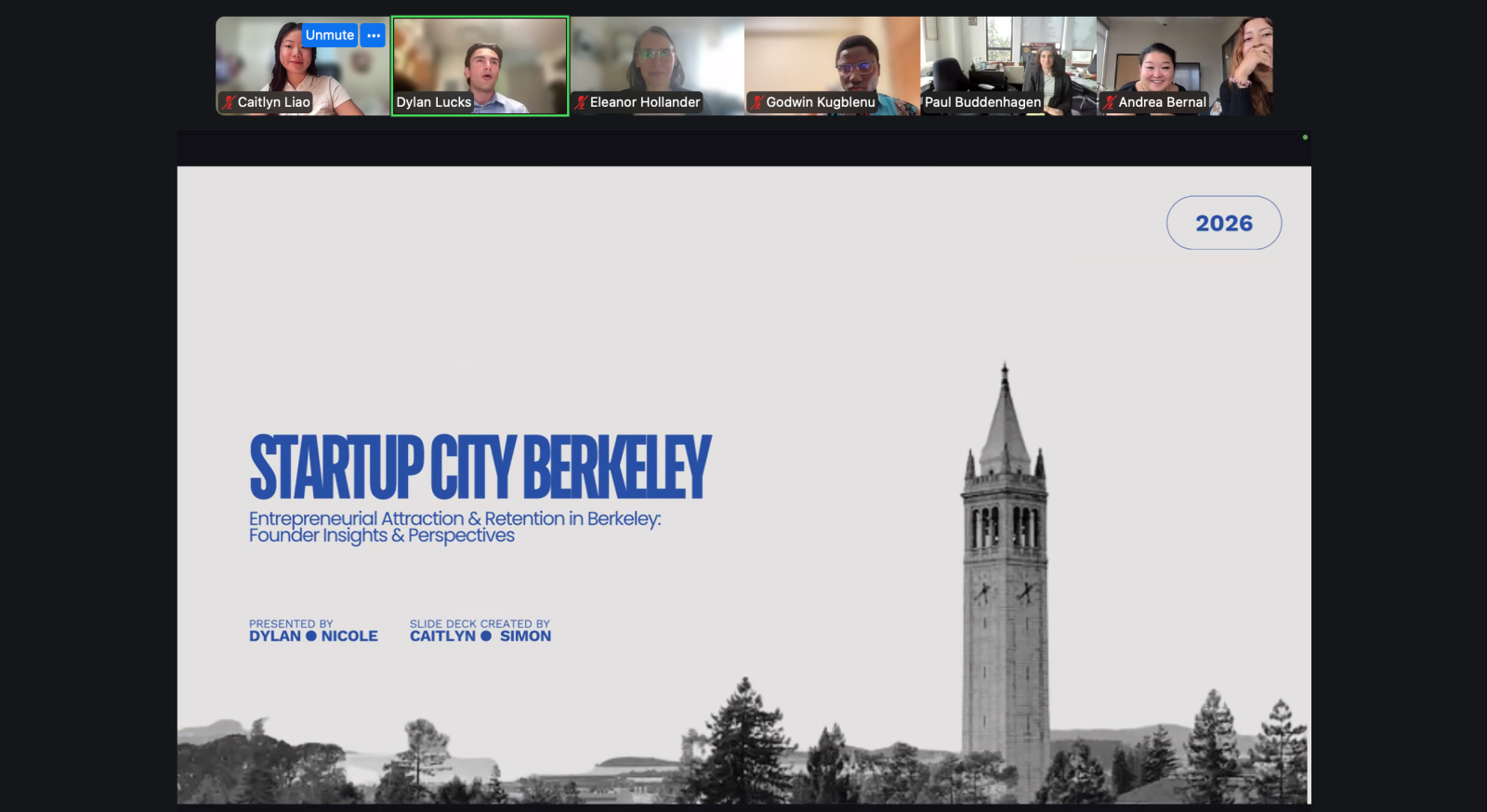
Through a series of interviews with founders from key industries (AI/software, robotics, food/beverage, biotech/life sciences), our team sought to build an understanding of founders’ perceptions of the city to inform recommendations about how better to attract and retain startups. The project culminated in a presentation to key stakeholders within the Berkeley startup ecosystem, including Berkeley’s Mayor and City Council, as well as an internal policy memo detailing the research findings.
Members: Dylan Lucks, Simon Clausen, Nicole Kadi, Alexander Mateo Alvarez, Miles Rhoe, Nidhi Thummalapalli, Riddhi Das, Jacky Li
Housing (Student Life) Initiative
Client: Office of D7 Berkeley City Councilmember and Vice Mayor of Berkeley, Cecilia Lunaparra
Research Question: To what extent are UC Berkeley students living in safe, habitable, and financially sustainable housing, and how do conditions differ between on-campus and off-campus housing options? Are students paying rents that align with the quality and habitability of their housing, and where are the greatest gaps in protection?
The project investigated housing conditions for on- and off-campus residents by creating and conducting an original survey. Measuring factors like habitability issues, cost of utilities, and overall satisfaction with the unit, the team analyzed the data to create a set of relevant policy recommendations.
Members: Harper Atkisson, Yashal Sarfaraz, Jay Kamath, Lila Myerson-Jain, Shreya Aravind, Tallulah Knill Allen
FALL ’25
Public Health
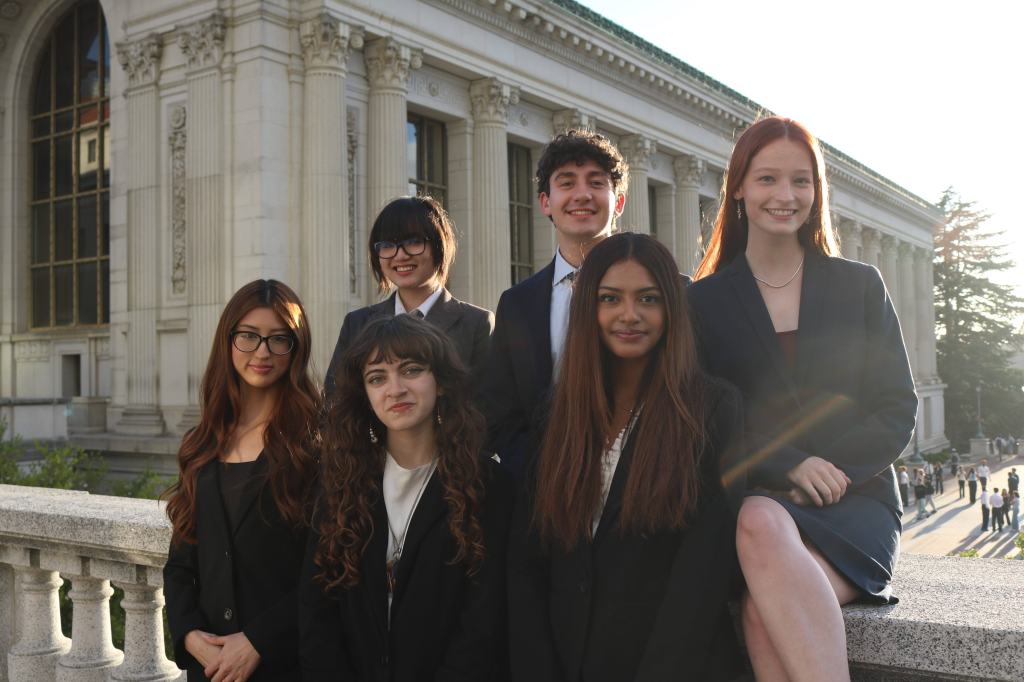
Client: Councilmember Lunaparra (Berkeley)
Q: How can the City of Berkeley ensure effective evacuation planning in the event of a natural disaster by coordinating with UC Berkeley and leveraging public health and transportation resources?
Business
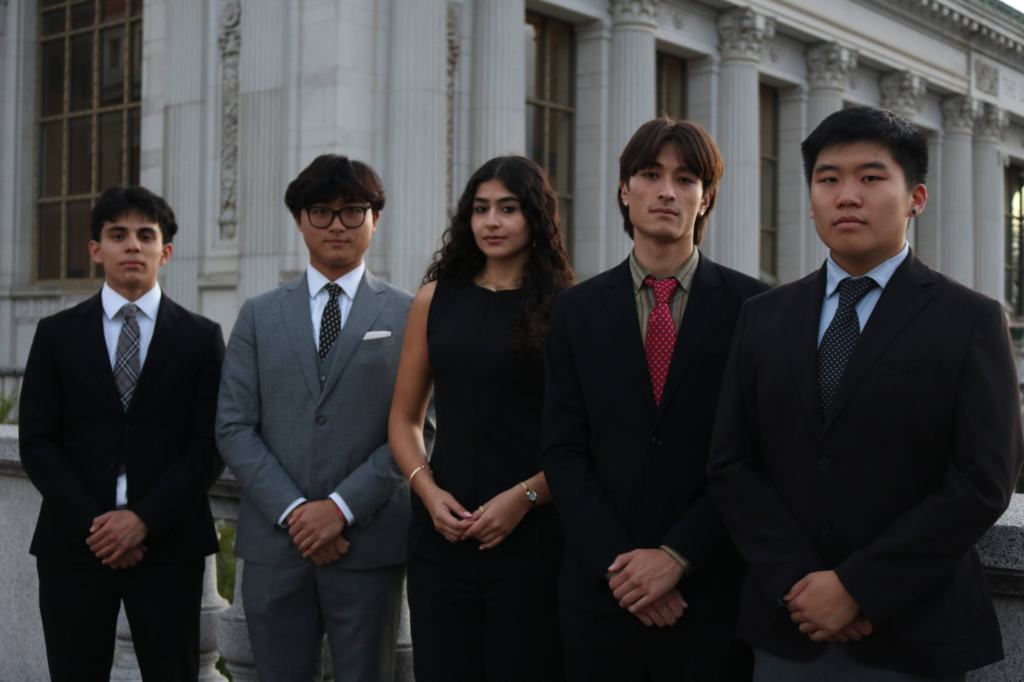
Client: Office of Economic Development, Councilmember Blackaby (Berkeley)
Q: How can the City of Berkeley attract and retain entrepreneurs and startups, particularly those with past or indirect ties to Berkeley, by understanding their perceptions of the city and the factors influencing their decision to locate elsewhere?
Environment
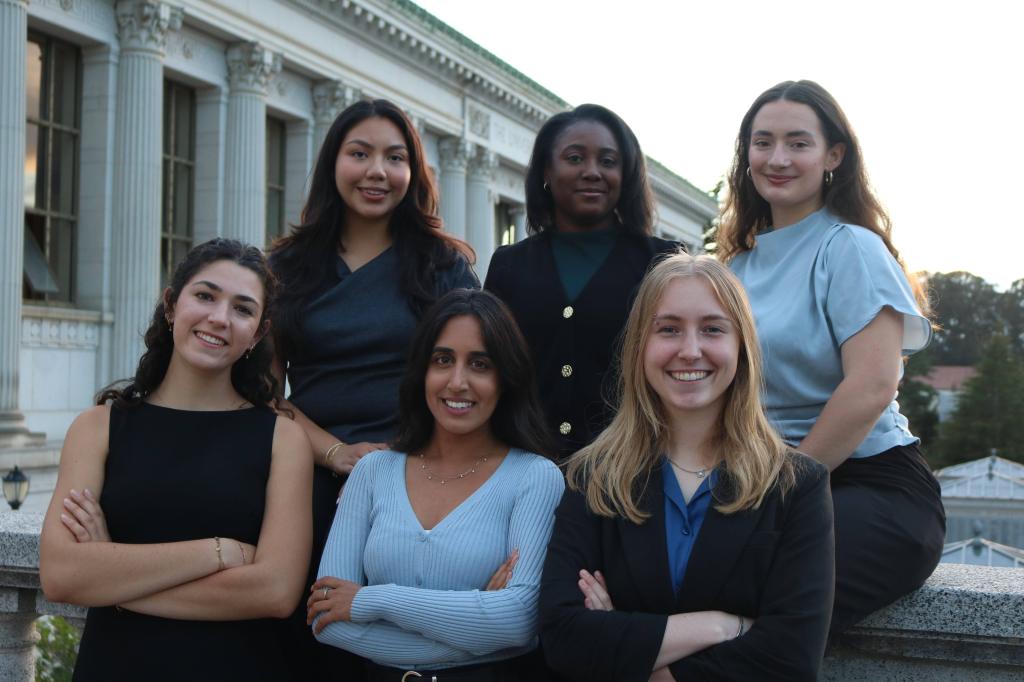
Client: Assemblymember Chris Rogers (California)
High-level policy research and analysis conducted to support legislative priorities during the proposal development process, providing background context and evidence to inform internal decision-making.
Budget
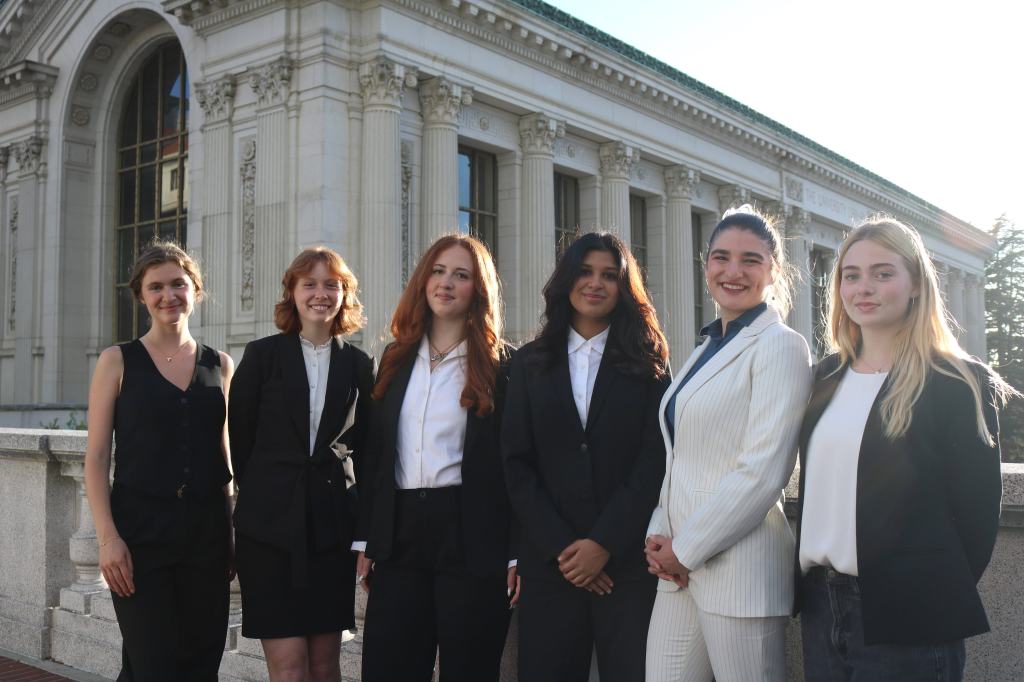
Client: County Supervisor Nikki Fortunato Bas (Alameda)
Q: With Alameda County receiving $5.1 billion in funding, how can the County design a budget process that ensures resources are distributed transparently, equitably, and with meaningful community input in order to maximize positive impact for the community?
Housing
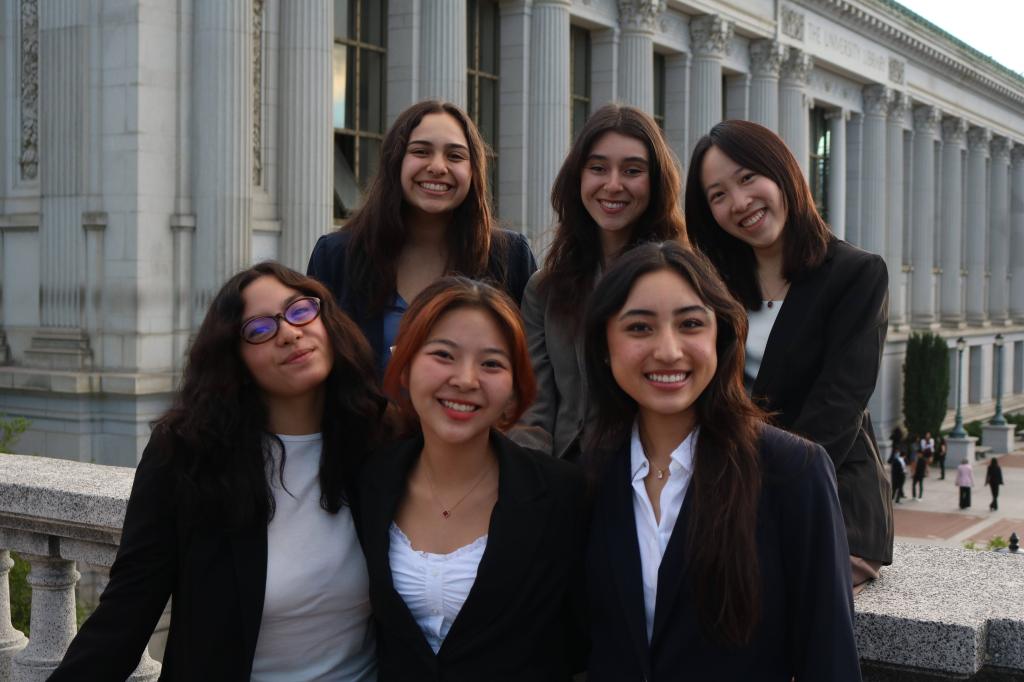
Client: My Eden Voice (Non-profit)
Q: How can Alameda County leverage Measure W funds through the Home Together Plan and Essential Services allocations to ensure unincorporated communities, particularly historically disenfranchised Black residents, low-income immigrant families, and mobile home owners, receive equitable tenant protections, housing support, and long-term stability?
 Student Policy Institute At Berkeley